
Weight Loss & Fat Burning
Why Weight Regain After Dieting Explained Simply
Imagine scaling the peak of a mountain, only to watch the summit vanish as you descend.
Imagine scaling the peak of a mountain, only to watch the summit vanish as you descend.

Stress doesn’t just age your skin—it rewires your metabolism.

Imagine a hormone that doesn’t just signal hunger but actually rewires your genetic blueprint to burn fat more efficiently.

Imagine tightening your belt by two holes without losing a single pound.

Think you’ve cracked the code on fat loss?

Ever notice how your weight seems to creep up during deadlines, breakups, or financial crises?

Visceral fat doesn’t just sit quietly in your abdomen—it’s a dynamic organ, constantly sending signals that shape your immune response.

Insulin sensitivity isn’t just a lab result—it’s a mirror reflecting how efficiently your cells burn fat.

Water retention and fat gain are often mistaken for rivals in the war on weight.

When the scale creeps back up after a successful weight loss journey, panic sets in.

Imagine waking up one morning, feeling colder than usual, your limbs heavy, your mind foggy.

Metabolic adaptation is not a villain—it’s a survival mechanism.

Imagine cutting calories, sweating through workouts, and yet the scale refuses to budge.

Weight regain after dieting is not just a failure of willpower—it’s a biological response rooted in aging and metabolic shifts.
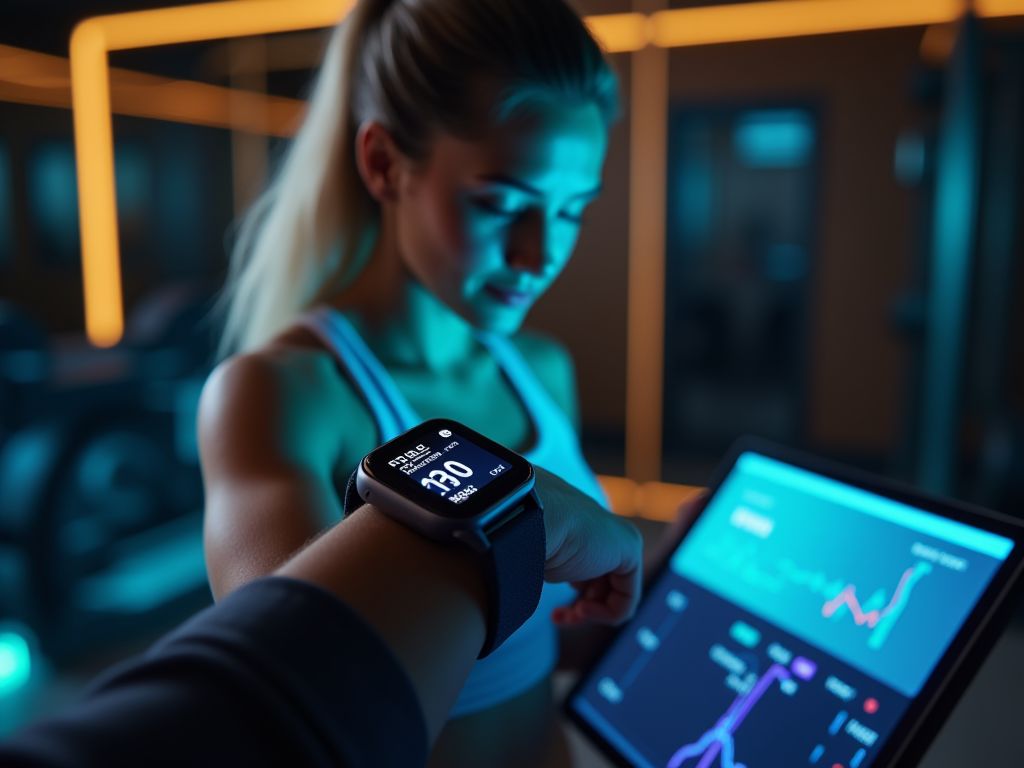
You’re doing everything right—working out, eating clean, sleeping better.

Metabolic adaptation after 40 is often framed as an unavoidable descent into inefficiency.

Water retention and fat gain are often mistaken for one another, but their biological mechanisms and long-term health implications are starkly different.

For years, I assumed weight gain from stress was a simple equation: cortisol spikes → overeating → fat accumulation.

Imagine your body as a finely tuned machine.

High-performance individuals often assume that discipline alone will conquer fat loss.
Hi! At CureCurious, we invest a lot in research to bring you the best health insights. Please consider disabling AdBlock to support our work.