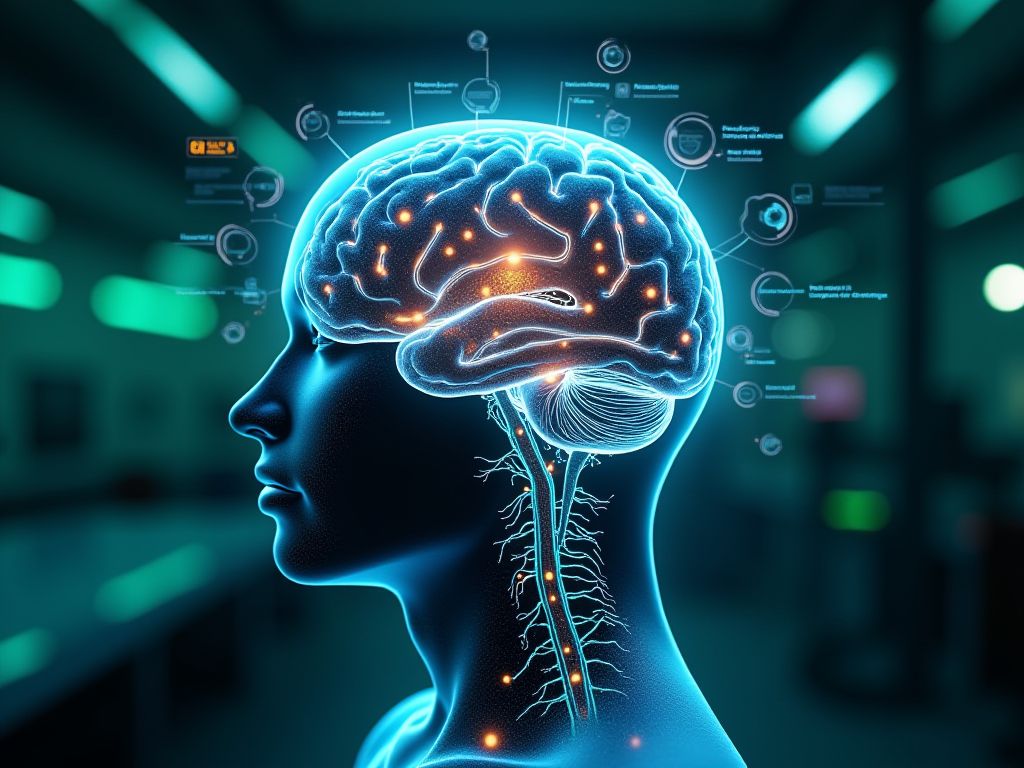
Science-Backed Memory Improvement Exercise Protocol: A Comprehensive Guide
Memory is a cornerstone of cognitive function, influencing everything from daily decision-making to long-term learning. While aging and neurological conditions can impact memory, research shows that targeted exercises can significantly enhance retention, recall, and brain plasticity. This article presents a 10-step, science-backed protocol to improve memory through evidence-based strategies, combining physical, mental, and lifestyle interventions. Let’s dive into the science and practical steps.
1. Understand the Science of Memory
Memory involves three key processes: encoding, storage, and retrieval. The hippocampus, a brain region critical for forming new memories, can be strengthened through specific exercises. Studies from Neuron and Journal of Neuroscience highlight that neuroplasticity—the brain’s ability to rewire itself—is most responsive to consistent, varied challenges.
2. Spaced Repetition: The Power of Timing
Spaced repetition leverages the “spacing effect,” where information is reviewed at increasing intervals to enhance retention. Apps like Anki or Quizlet use algorithms to optimize this. Research from Psychological Science shows spaced repetition improves long-term recall by up to 50% compared to massed practice (cramming).
- Use flashcards for vocabulary, facts, or concepts.
- Review material after 1 day, 3 days, 1 week, and 1 month.
3. Mnemonic Devices: Transforming Information into Stories
Mnemonics, such as the method of loci or acronyms, create associations that make memorization easier. A 2021 study in Memory & Cognition found that mnemonics improve recall by 30% in both young and older adults.
- Use the “method of loci” to visualize placing items in a familiar location.
- Create acronyms for lists (e.g., ROYGBIV for rainbow colors).
4. Aerobic Exercise: Boosting Brain-Derived Neurotrophic Factor (BDNF)
Aerobic activity increases BDNF, a protein that promotes neuron growth. A Harvard T.H. Chan School of Public Health study linked 30 minutes of daily walking or cycling to improved memory and reduced brain atrophy.
- Engage in 150 minutes of moderate-intensity exercise weekly.
- Incorporate high-intensity interval training (HIIT) for added cognitive benefits.
5. Strength Training: Enhancing Executive Function
Resistance exercises, such as weightlifting, improve executive function (planning, attention) and memory. A Journal of Aging and Physical Activity study found that older adults who lifted weights showed a 20% improvement in memory tests.
- Perform 2–3 strength sessions weekly, focusing on major muscle groups.
- Combine with balance exercises (e.g., yoga) to reduce fall risk and cognitive decline.
6. Diet and Nutrition: Fueling the Brain
Omega-3 fatty acids, antioxidants, and vitamin B12 support memory. A British Journal of Nutrition study showed that diets rich in leafy greens, berries, and fish correlate with slower memory loss.
- Incorporate foods like salmon, walnuts, and blueberries.
- Limit processed foods and sugar, which impair hippocampal function.
7. Quality Sleep: The Memory Consolidation Window
Deep sleep stages (slow-wave sleep) are crucial for memory consolidation. A Nature Neuroscience study found that sleep deprivation reduces memory retention by 40%. Prioritize 7–9 hours of sleep nightly.
- Avoid screens 1 hour before bed to reduce blue light exposure.
- Maintain a consistent sleep schedule to regulate circadian rhythms.
8. Mindfulness and Meditation: Reducing Stress-Induced Amnesia
Chronic stress elevates cortisol, which impairs memory. Mindfulness meditation reduces cortisol and enhances attention. A Journal of Cognitive Enhancement study showed 8 weeks of meditation improved memory by 15%.
- Practice 10–15 minutes of mindfulness daily (e.g., focused breathing or body scans).
- Use apps like Headspace or Calm for guided sessions.
9. Social Engagement: Building Cognitive Resilience
Social interaction stimulates the brain and reduces loneliness, a risk factor for dementia. A Alzheimer’s Association report found that socially active individuals have a 20% lower risk of cognitive decline.
- Join clubs, attend gatherings, or volunteer weekly.
- Engage in meaningful conversations that challenge your thinking.
10. Mental Challenges: Keeping the Brain Active
Learning new skills (e.g., playing an instrument, coding) creates new neural pathways. A Frontiers in Aging Neuroscience study found that lifelong learners have denser gray matter in memory-related regions.
- Take online courses or learn a new language via Duolingo.
- Play strategy games (e.g., chess, Scrabble) to boost problem-solving skills.
Frequently Asked Questions (FAQ)
- How long does it take to see results? Consistent practice over 8–12 weeks typically yields noticeable improvements, though individual results vary.
- Can this protocol help with age-related memory loss? Yes, studies show that these exercises can slow or even reverse age-related memory decline in many cases.
- Are there risks of overexertion? Excessive exercise or mental strain may cause fatigue. Balance intensity with rest and listen to your body.
- Can I combine these methods? Absolutely—cross-training physical, mental, and social activities maximizes brain health.
Conclusion: A Holistic Approach to Memory Mastery
Improving memory is not a one-size-fits-all endeavor. This protocol integrates physical exercise, cognitive training, nutrition, and lifestyle habits to create a synergistic effect. By adopting these science-backed strategies consistently, you can enhance your brain’s resilience, delay cognitive decline, and unlock your full memory potential. Start small, stay curious, and celebrate progress—every step counts toward a sharper, healthier mind.