Prostate Health In 2026: The Rise Of Non-Invasive Ultrasound Therapies
Published on December 26, 2025
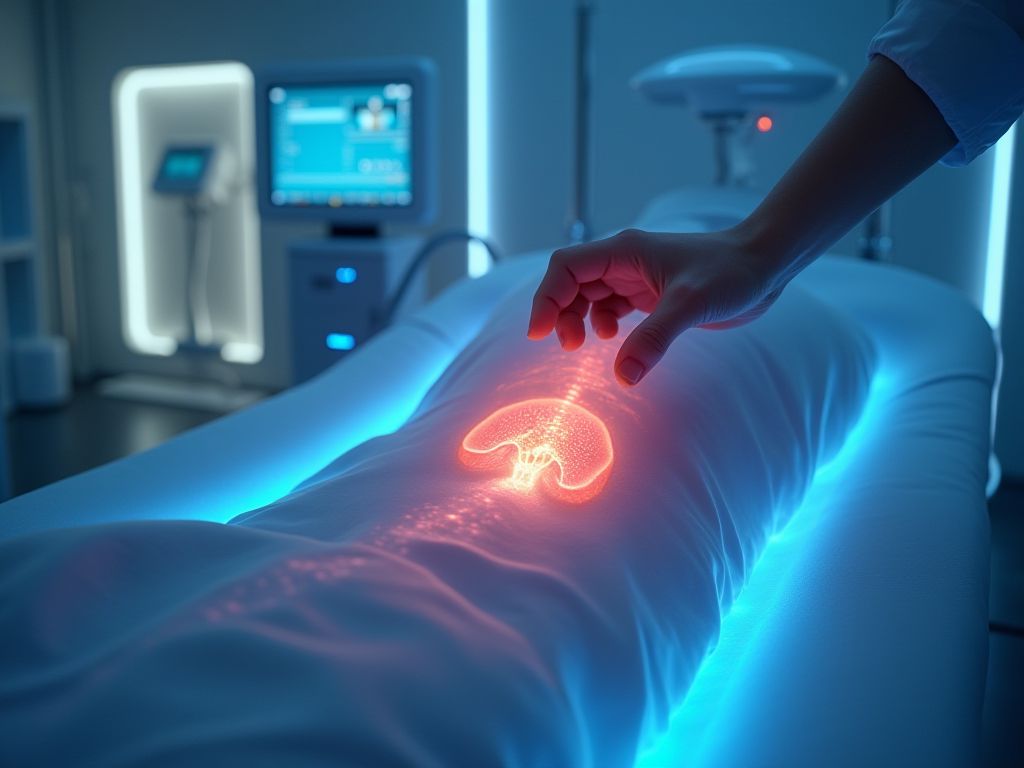
Prostate Health in 2026: The Rise of Non-Invasive Ultrasound Therapies
Did you know that prostate cancer remains one of the most common cancers among men worldwide? As we step into 2026, the medical field is witnessing a revolutionary shift in how we approach prostate health—enter non-invasive ultrasound therapies. These cutting-edge treatments are redefining recovery, offering hope for millions without the scars, risks, or downtime of traditional procedures. Let’s dive into what makes this innovation a game-changer.
Technique Breakdown: How Ultrasound Therapies Work
Non-invasive ultrasound therapies use high-frequency sound waves to target prostate tissue with precision. Here’s how it works:
- Targeted Energy Delivery: Focused ultrasound beams heat specific areas of the prostate, destroying abnormal tissue without damaging surrounding structures.
- Real-Time Imaging: MRI-guided systems ensure accuracy, allowing doctors to visualize the prostate in real time during treatment.
- Minimal Recovery: Patients often leave the clinic within hours, resuming normal activities the same day.
This technique is particularly effective for treating conditions like benign prostatic hyperplasia (BPH) and early-stage prostate cancer, offering a less aggressive alternative to surgery or radiation.
Mistakes to Avoid: Why Caution Matters
While ultrasound therapies are groundbreaking, they’re not a one-size-fits-all solution. Here are key pitfalls to avoid:
- Overlooking Pre-Treatment Screening: A thorough evaluation—including blood tests and imaging—is critical to determine if you’re a candidate.
- Ignoring Long-Term Follow-Up: Even after successful treatment, regular checkups are essential to monitor for recurrence or complications.
- Choosing the Wrong Provider: Not all clinics have the expertise to perform MRI-guided ultrasound. Research facilities with experienced urologists and radiologists.
Think of this as a marathon, not a sprint. Success hinges on patience, proper care, and trust in your medical team.
Workout Plan: Integrating Holistic Health
While ultrasound therapies address the medical side of prostate health, your lifestyle plays a vital role in recovery and prevention. Here’s a simple, science-backed plan to complement your treatment:
1. Strength Training (3x/Week)
Focus on compound movements like squats and deadlifts to boost testosterone levels and improve circulation. Aim for 3–5 sets of 8–12 reps.
2. Mobility & Core Work (Daily)
Yoga or Pilates can enhance flexibility and reduce pelvic floor tension, which is crucial for prostate health. Spend 10–15 minutes daily on stretches like cat-cow and child’s pose.
3. Nutrition: Fuel for Recovery
Load up on foods rich in omega-3s (salmon, walnuts) and antioxidants (berries, leafy greens) to reduce inflammation and support tissue repair.
Remember: Your body is a system. Every rep, stretch, and bite of food contributes to your overall well-being.
Ready to Take Control of Your Prostate Health?
With non-invasive ultrasound therapies and a proactive lifestyle, you’re not just surviving—you’re thriving. But here’s a secret: The right tools can amplify your results. Whether it’s a recovery aid or a supplement designed to support prostate function, there’s something out there that could make your journey smoother.
Recommended for your journey
We've handpicked this top-rated health tool to help you achieve the results discussed in this article.
Check Price on Amazon*As an Amazon Associate, CureCurious.com earns from qualifying purchases.
Scientific References
- "Gold nanoparticles and gold nanorods in the landscape of cancer therapy." (2023) View Study →
- "Pelvic floor muscle training in radical prostatectomy: a randomized controlled trial of the impacts on pelvic floor muscle function and urinary incontinence." (2019) View Study →



Written by Mark Davies
Certified Fitness Coach
"Mark is a certified strength and conditioning specialist (CSCS). He helps people build sustainable fitness habits and recover from sports injuries."