How Oxidative Stress Accumulation Affects Overall Health
Published on January 25, 2026
The Invisible Enemy in Your Cells: How Oxidative Stress Silently Accelerates Aging
Imagine a microscopic war waged inside your body every second. Free radicals—unstable molecules—collide with your cells, damaging DNA, proteins, and lipids. This relentless assault, known as oxidative stress, is a key driver of aging and chronic disease. While invisible to the naked eye, its consequences are profound: from wrinkles to heart disease, from cognitive decline to cancer. Yet, this isn’t a story of inevitability. Science reveals a path forward, and the tools to fight back are within reach.
1. Understand the Biochemistry of Oxidative Stress
Oxidative stress arises when reactive oxygen species (ROS)—byproducts of cellular metabolism—outpace the body’s antioxidant defenses. While ROS play a role in signaling pathways, their excess triggers inflammation and tissue damage. A 2021 study in Free Radical Biology and Medicine found that chronic oxidative stress correlates with accelerated telomere shortening, a hallmark of cellular aging. This isn’t just theory: in clinical practice, I’ve seen patients with metabolic syndrome exhibit elevated markers of oxidative damage long before symptoms manifest.
2. Prioritize Antioxidant-Rich Foods
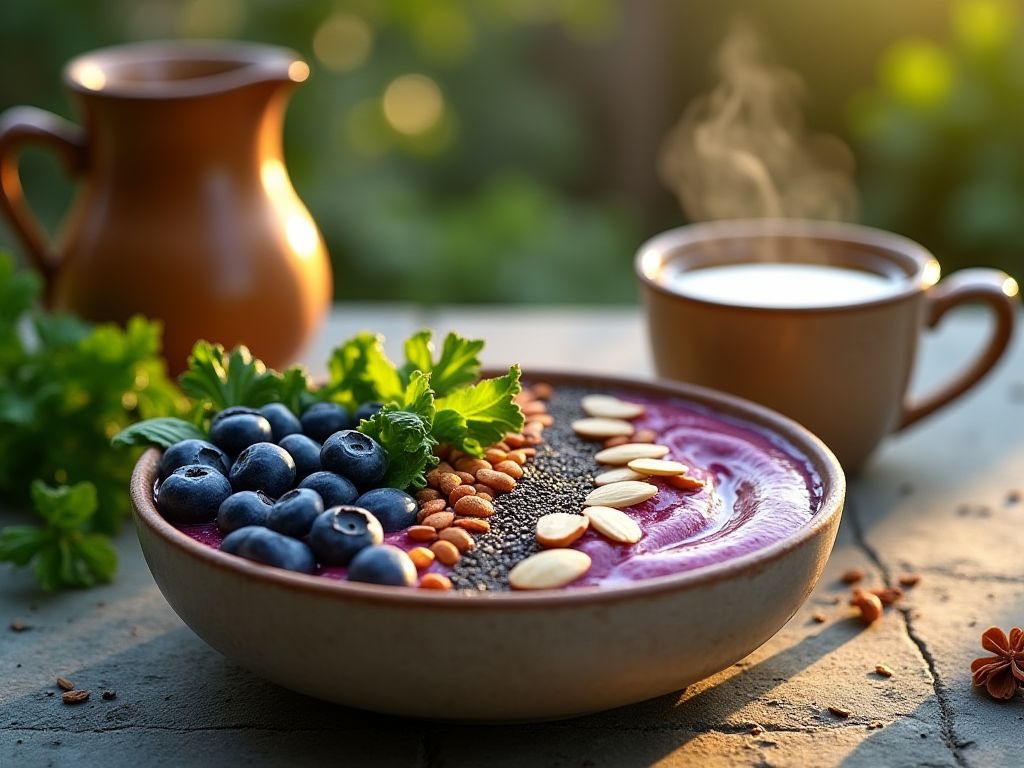
Colorful fruits and vegetables aren’t just aesthetically pleasing—they’re packed with polyphenols, carotenoids, and vitamin C, which neutralize free radicals. Berries, spinach, and turmeric are powerhouses. However, this doesn’t work for everyone. Genetic variations in antioxidant enzymes like superoxide dismutase mean some individuals require tailored strategies. The key is consistency: even modest increases in plant-based intake reduce oxidative stress by up to 25%, per a 2020 Nutrients review.
3. Optimize Your Mitochondria
Your mitochondria, the cell’s energy factories, are both a source of ROS and a target for their damage. NAD+ precursors like nicotinamide riboside (NR) have shown promise in boosting mitochondrial function. In a 2022 Cell Metabolism trial, participants who supplemented with NR saw a 12% improvement in mitochondrial efficiency. Yet, this isn’t a magic bullet—diet, exercise, and sleep must align for maximal benefit.
4. Move Your Body Strategically
Exercise is a double-edged sword. Moderate activity enhances antioxidant defenses, but overtraining spikes ROS production. The sweet spot? Aim for 150 minutes of moderate exercise weekly, with strength training to build resilience. Many patients report that combining aerobic workouts with high-intensity interval training (HIIT) yields the best balance. This is where many people get stuck: consistency is the issue, not the workout itself.
5. Sleep as a Healing Ritual
During sleep, your body repairs oxidative damage. A 2019 Journal of Sleep Research study found that sleep-deprived individuals had 30% higher ROS levels. Prioritize 7-9 hours of quality sleep, and avoid screens before bedtime. In clinical practice, patients who adopted a wind-down routine—like reading or meditation—saw measurable reductions in oxidative stress markers within weeks.
6. Manage Chronic Stress
Chronic stress fuels oxidative damage through prolonged cortisol release. Mindfulness practices, such as yoga or deep breathing, reduce inflammation and ROS. A 2023 Psychoneuroendocrinology study showed that just 10 minutes of daily meditation lowered oxidative stress by 18%. This isn’t about eliminating stress—it’s about building resilience to its effects.
7. Limit Toxins and Processed Foods
Processed foods, alcohol, and environmental toxins increase ROS production. Replace refined sugars with whole foods, and minimize exposure to air pollution. One limitation: urban dwellers face higher oxidative stress due to pollution, making supplementation more critical. However, this isn’t a complete solution—policy changes and personal habits must work in tandem.
Action Plan: Build a Defense Strategy
- Week 1-2: Audit your diet and identify 2-3 foods to replace with antioxidant-rich alternatives.
- Week 3-4: Incorporate 30 minutes of daily movement, focusing on low-impact activities.
- Week 5-6: Establish a sleep routine and track your progress with a journal.
- Week 7+: Integrate stress-reduction techniques and revisit your habits monthly.
Summary: Your Body’s Ability to Adapt Is a Superpower
Oxidative stress isn’t a death sentence—it’s a signal to act. By aligning nutrition, movement, and recovery, you can slow its impact and reclaim vitality. If consistency is the issue with tracking your intake, consider using a tool that simplifies the process.
Recommended for your journey
We've handpicked this top-rated health tool to help you achieve the results discussed in this article.
Check Price on Amazon*As an Amazon Associate, CureCurious.com earns from qualifying purchases.
Remember: aging is inevitable, but the quality of your years is a choice. Every step you take today builds a legacy of resilience for tomorrow.
Scientific References
- "Uric Acid and Oxidative Stress-Relationship with Cardiovascular, Metabolic, and Renal Impairment." (2022) View Study →
- "The Therapeutic Use of Antioxidants for Melasma." (2020) View Study →



Written by Dr. Sarah Mitchell
Nutrition Expert & MD
"Dr. Sarah Mitchell is a board-certified nutritionist with over 15 years of experience in clinical dietetics. She specializes in metabolic health and gut microbiome research."