Effective Cholesterol Optimization Supplement Stack
Published on December 14, 2025
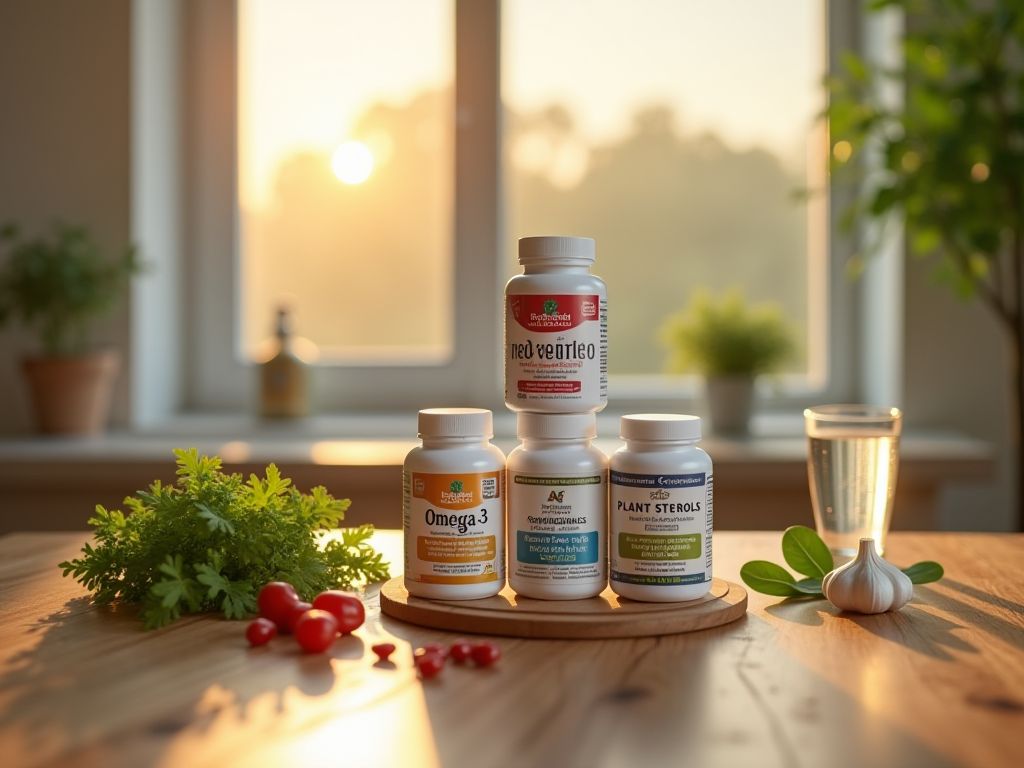
Effective Cholesterol Optimization Supplement Stack: A Science-Backed Guide
Managing cholesterol levels is a cornerstone of cardiovascular health, and while diet and exercise are foundational, a well-structured supplement stack can provide targeted support. This article explores evidence-based supplements that work synergistically to optimize cholesterol levels, backed by clinical research and expert recommendations.
1. Plant Sterols and Stanols: The LDL-Lowering Powerhouse
Plant sterols and stanols are natural compounds found in plants that inhibit cholesterol absorption in the gut. Studies show they can reduce LDL ("bad") cholesterol by up to 15% when consumed in doses of 2–3 grams per day. Found in fortified foods like margarine and supplements, they are a safe and effective addition to a heart-healthy regimen.
2. Omega-3 Fatty Acids: Balancing Triglycerides and Inflammation
Fish oil, rich in EPA and DHA, is renowned for its ability to lower triglycerides and reduce inflammation. Research indicates that 1–4 grams of combined EPA/DHA daily can improve HDL ("good") cholesterol and reduce arterial plaque. Look for supplements with at least 500 mg of EPA and DHA per serving.
3. Soluble Fiber: The Gut’s Secret Weapon
Psyllium husk and oat beta-glucan are forms of soluble fiber that bind to bile acids, reducing cholesterol reabsorption. A daily intake of 5–10 grams of soluble fiber can lower LDL by 5–10%. Pairing these with a high-fiber diet amplifies their effects.
4. Red Yeast Rice: A Natural Statin Alternative
Red yeast rice contains monacolin K, a compound similar to the statin drug lovastatin. Clinical trials suggest it can lower LDL by 10–25% when taken in doses of 10–20 mg of monacolin K daily. However, it should be used cautiously due to potential interactions with other medications.
5. Garlic Extract: Boosting HDL and Reducing Oxidative Stress
Garlic has been shown to modestly increase HDL cholesterol and reduce LDL oxidation. Standardized garlic supplements with 600–1,200 mg of aged garlic extract daily are recommended. Its anti-inflammatory properties also support arterial health.
6. Niacin (Vitamin B3): The HDL Booster
Nicotinic acid, a form of niacin, can raise HDL cholesterol by 15–35% and lower LDL. However, high doses (1–2 grams daily) may cause flushing. Extended-release formulations or inositol hexanicotinate can minimize side effects while maximizing benefits.
7. Berberine: A Metabolic Powerhouse
Berberine, a compound from plants like *Berberis vulgaris*, activates AMPK, improving lipid metabolism. Studies show it can reduce LDL by 20–25% and increase HDL by 10–15% when taken at 500 mg twice daily. It also supports blood sugar control, making it ideal for those with metabolic syndrome.
8. Pomegranate Extract: Antioxidant Protection for Arteries
Pomegranate juice and extract are rich in polyphenols that reduce oxidative stress and arterial inflammation. Clinical trials indicate that 500–1,000 mg of standardized pomegranate extract daily can improve endothelial function and lower LDL oxidation.
9. Curcumin: Anti-Inflammatory Support for Cardiovascular Health
The active compound in turmeric, curcumin, reduces inflammation and oxidative stress, which are key drivers of atherosclerosis. Doses of 500–1,000 mg of curcumin with piperine (black pepper extract) daily enhance absorption and support cholesterol balance.
10. Vitamin D: The Hormone That Regulates Lipid Metabolism
Vitamin D deficiency is linked to elevated LDL and low HDL. Supplementation with 1,000–2,000 IU of vitamin D3 daily can improve cholesterol profiles by modulating lipid metabolism and reducing inflammation. Blood tests should guide dosage to avoid toxicity.
Frequently Asked Questions (FAQ)
- Are these supplements safe for long-term use? Most are safe when used as directed, but prolonged use of red yeast rice or niacin should be monitored by a healthcare provider.
- How long does it take to see results? Changes in cholesterol levels typically take 4–12 weeks with consistent supplementation and lifestyle adjustments.
- Can supplements replace statins? No. Supplements should complement, not replace, prescribed medications. Always consult a physician before discontinuing any drug.
- Are there interactions with other medications? Red yeast rice and niacin may interact with statins or blood thinners. Inform your doctor about all supplements.
- What if I have a history of liver disease? Avoid red yeast rice and niacin in high doses; opt for gentler options like plant sterols and fiber.
Conclusion: A Holistic Approach to Cholesterol Health
While no single supplement can replace the benefits of a heart-healthy diet and regular exercise, a strategically designed supplement stack can significantly enhance cholesterol management. By combining plant sterols, omega-3s, fiber, and other science-backed compounds, individuals can take proactive steps toward cardiovascular wellness. Always prioritize personalized medical advice and monitor progress with regular lipid panel tests. Your heart will thank you.
Scientific References & Medical Evidence
- "Nutrition interventions for adults with dyslipidemia: A Clinical Perspective from the National Lipid Association." (2023) View study on PubMed.gov →
- "A systematic review on black pepper (Piper nigrum L.): from folk uses to pharmacological applications." (2019) View study on PubMed.gov →
CureCurious verifies facts through peer-reviewed research.
You might also like


Recommended for your journey
We've handpicked this top-rated health tool to help you achieve the results discussed in this article.
Check Price on Amazon*As an Amazon Associate, CureCurious.com earns from qualifying purchases. This helps us keep our research free for everyone.

Written by Dr. Sarah Mitchell
Nutrition Expert & MD
"Dr. Sarah Mitchell is a board-certified nutritionist with over 15 years of experience in clinical dietetics. She specializes in metabolic health and gut microbiome research."