Unlock Restful Sleep: Easy Sleep Hygiene Practices and a Science-Backed Supplement Stack
Quality sleep is the cornerstone of physical health, mental clarity, and emotional well-being. Yet, in today’s fast-paced world, achieving restful sleep can feel like a challenge. The good news? Simple sleep hygiene practices, combined with a strategically chosen supplement stack, can transform your sleep quality without requiring drastic lifestyle overhauls. This article explores evidence-based strategies to improve your sleep and highlights a safe, effective supplement combination to support your journey toward better rest.
1. Establish a Consistent Sleep Schedule
Your body thrives on routine. Going to bed and waking up at the same time every day—yes, even on weekends—helps regulate your circadian rhythm, the internal clock that governs sleep-wake cycles. A study published in Frontiers in Psychology found that irregular sleep schedules disrupt melatonin production, making it harder to fall asleep and stay asleep.
- Try to align your bedtime with your natural energy dips, usually between 10 PM and 11 PM.
- Wake up at the same time daily, even if you didn’t sleep well.
2. Optimize Your Bedroom Environment
Your sleep space should be a sanctuary. Keep the room cool (between 60–67°F or 15.5–19.5°C), dark, and quiet. Invest in blackout curtains, a white noise machine, and a comfortable mattress and pillows. Research from the National Sleep Foundation emphasizes that a cool, dark environment promotes deeper sleep stages.
3. Limit Screen Time Before Bed
The blue light emitted by phones, tablets, and computers suppresses melatonin production, delaying sleep onset. Aim to power down devices at least 30 minutes before bed. If you must use screens, enable “night mode” or wear blue light-blocking glasses.
4. Avoid Stimulants and Alcohol
Caffeine, nicotine, and alcohol interfere with sleep quality. Caffeine’s half-life can last up to 6 hours, so avoid it after noon. Alcohol may help you fall asleep faster but disrupts REM sleep, leaving you feeling unrested. A Journal of Clinical Sleep Medicine study found that even moderate alcohol consumption reduces sleep efficiency by 24%.
5. Mindful Eating and Drinking
Heavy meals, spicy foods, and excessive fluids close to bedtime can cause discomfort and frequent awakenings. Opt for light, sleep-friendly snacks like a banana or a small handful of almonds if you’re hungry. Stay hydrated throughout the day but reduce fluid intake 2 hours before bed.
6. Incorporate Regular Physical Activity
Exercise improves sleep quality by reducing stress and promoting deeper sleep. However, avoid vigorous workouts 2–3 hours before bedtime, as they can elevate adrenaline and delay sleep onset. Aim for 30 minutes of moderate activity most days of the week.
7. Practice Relaxation Techniques
Stress and anxiety are leading causes of insomnia. Techniques like deep breathing, progressive muscle relaxation, or guided meditation can calm the nervous system. A Journal of Behavioral Medicine review found that mindfulness-based interventions improve sleep quality in over 80% of participants.
8. Limit Napping
While short naps (20–30 minutes) can boost alertness, longer or late-afternoon naps may interfere with nighttime sleep. If you must nap, do so before 3 PM and keep it brief.
9. Manage Stress and Anxiety
Chronic stress activates the body’s “fight-or-flight” response, making it harder to relax. Journaling, therapy, or cognitive-behavioral techniques for insomnia (CBT-I) can address underlying issues. A Harvard T.H. Chan School of Public Health study found that CBT-I is as effective as medication for chronic insomnia.
10. Explore a Science-Backed Supplement Stack
While supplements shouldn’t replace sleep hygiene, they can complement it. A safe, evidence-based stack includes:
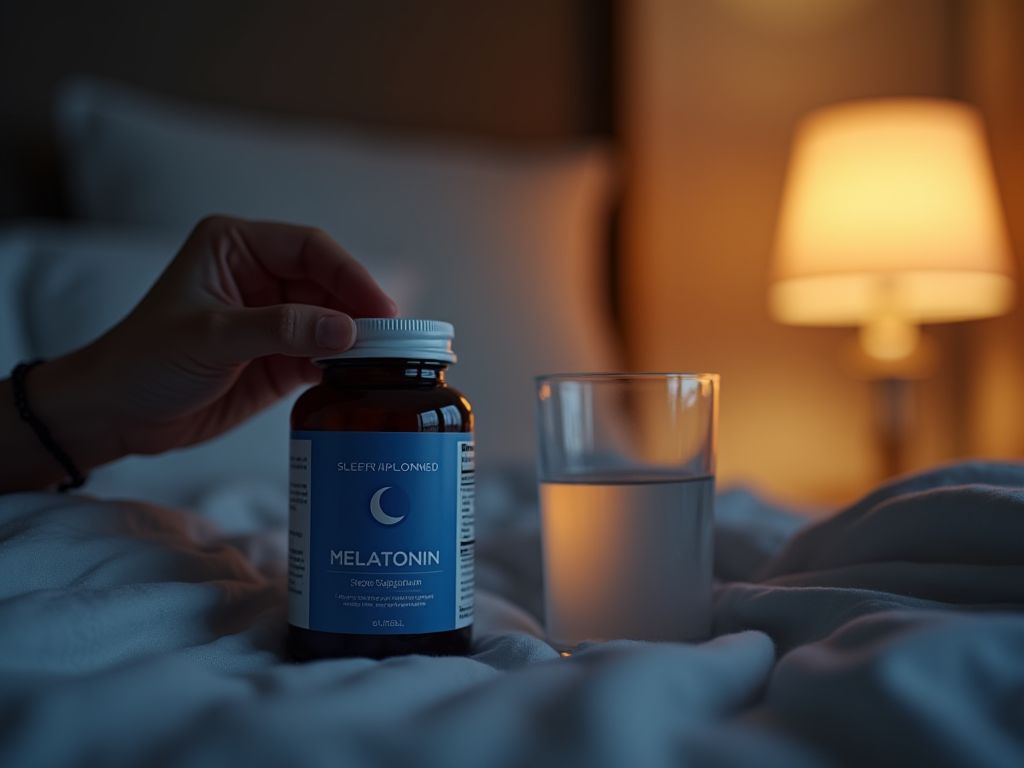
- Melatonin: A hormone that regulates sleep-wake cycles. Dose: 0.5–5 mg 30–60 minutes before bed.
- Magnesium: Supports relaxation and reduces nighttime awakenings. Dose: 200–400 mg (as glycinate or citrate).
- Valerian Root: Enhances sleep quality and reduces latency. Dose: 300–600 mg 30 minutes before bed.
- Ashwagandha: Reduces stress and improves sleep efficiency. Dose: 300–500 mg daily.
- Vitamin B12: Supports energy regulation and circadian rhythm. Dose: 1,000–2,500 mcg sublingual in the morning.
Always consult a healthcare provider before starting supplements, especially if you’re on medication or have a medical condition.
Frequently Asked Questions
Q: Are these supplements safe for long-term use?
A: Melatonin and magnesium are generally safe, but prolonged use of valerian root may cause dependency. Always follow dosage guidelines and consult a professional.
Q: How long does it take for supplements to work?
A: Results vary, but most people notice improvements within 2–4 weeks. Consistency with sleep hygiene practices enhances effectiveness.
Q: Can supplements replace sleep hygiene?
A: No. Supplements are most effective when combined with good sleep habits. They should not be used as a substitute for addressing underlying issues like poor diet or stress.
Q: Are there interactions with medications?
A: Yes. Melatonin may interact with blood thinners, and magnesium can interfere with certain antibiotics. Always consult a healthcare provider.
Q: How do I choose the right supplement brands?
A: Look for third-party certifications (e.g., NSF, USP) and avoid products with unnecessary fillers or additives. Start with reputable brands and monitor how your body responds.
Conclusion
Restful sleep is within reach, even for those with demanding schedules or chronic stress. By adopting simple sleep hygiene practices and strategically using a supplement stack, you can reclaim your energy and improve your quality of life. Remember: consistency is key. Small, sustainable changes today can lead to profound improvements in your sleep—and your overall health—tomorrow. Prioritize your rest, and let science guide your journey to better sleep.