Complete Circulation Improvement Naturally for Men: A Holistic Approach to Stress Management
For men navigating the demands of modern life, stress has become an inevitable companion. Chronic stress not only impacts mental well-being but also wreaks havoc on physical health, particularly cardiovascular function. Poor circulation, often a hidden consequence of stress, can lead to fatigue, cognitive fog, and long-term health risks like heart disease. However, the good news is that men can naturally enhance circulation and manage stress through science-backed lifestyle changes. This article explores 10 actionable strategies to improve blood flow, reduce stress, and promote overall vitality.
1. Prioritize Regular Physical Activity
Exercise is one of the most effective ways to boost circulation. Activities like walking, swimming, or cycling increase heart rate and promote the production of nitric oxide, a molecule that relaxes blood vessels and improves blood flow. Aim for at least 150 minutes of moderate-intensity exercise weekly. Strength training also plays a role, as it enhances vascular function and reduces inflammation.
2. Adopt a Circulation-Boosting Diet
Diet directly influences blood flow. Foods rich in omega-3 fatty acids (e.g., salmon, flaxseeds) and antioxidants (e.g., berries, dark chocolate) reduce arterial stiffness. Leafy greens like spinach and kale are high in nitrates, which convert to nitric oxide in the body. Limit processed foods, excessive salt, and refined sugars, which can impair circulation.
3. Stay Hydrated
Dehydration thickens blood, making it harder for the heart to pump. Men should aim for 3.7 liters of water daily. Hydration also supports the lymphatic system, which aids in removing toxins that can clog blood vessels.
4. Improve Sleep Quality
Poor sleep disrupts the body’s ability to regulate blood pressure and repair blood vessels. Aim for 7-9 hours of uninterrupted sleep nightly. Establish a bedtime routine, avoid screens before bed, and keep the bedroom cool and dark to enhance restorative sleep.
5. Practice Mindfulness and Stress-Reduction Techniques
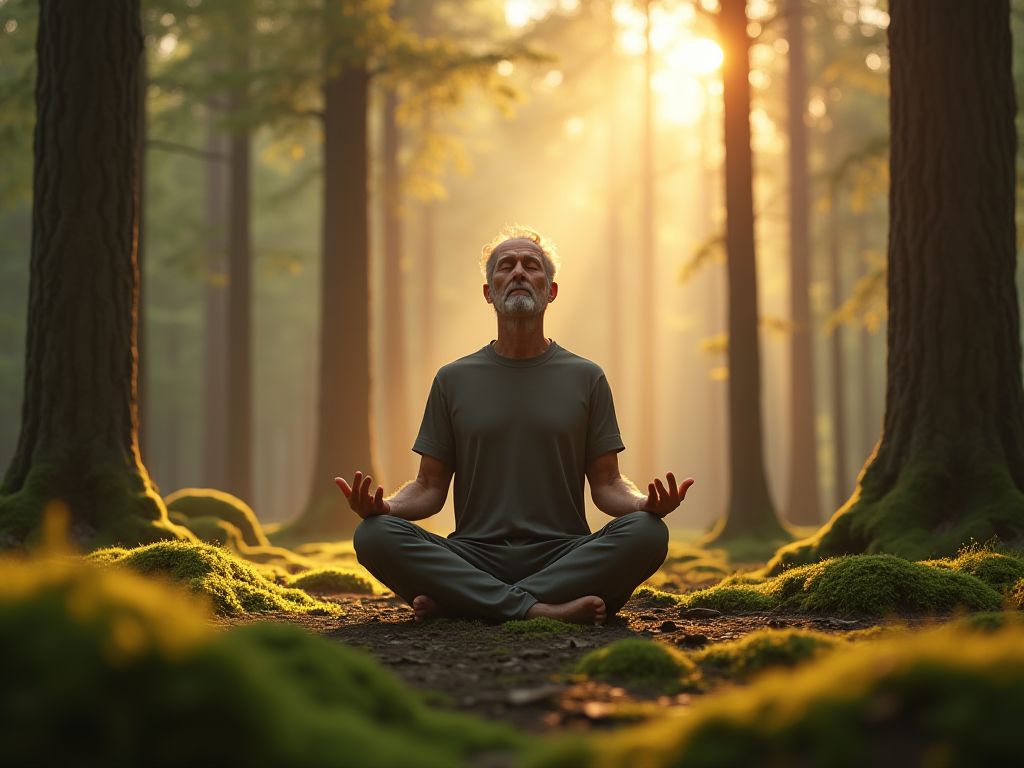
Chronic stress elevates cortisol levels, which constricts blood vessels. Mindfulness meditation, deep breathing exercises, and yoga have been shown to lower cortisol and improve vascular function. Even 10 minutes of focused breathing daily can reduce stress and enhance circulation.
6. Incorporate Herbal Supplements (With Caution)
Some herbs, like garlic and ginkgo biloba, may improve circulation by thinning the blood and dilating vessels. However, consult a healthcare provider before use, especially if taking medications. Turmeric and ginger also show promise in reducing inflammation.
7. Avoid Prolonged Sitting
Sedentary behavior is a silent killer of circulation. Stand or stretch every 30-60 minutes. Use a standing desk or take short walks to keep blood flowing. Even small movements, like leg raises during work breaks, can make a difference.
8. Manage Stress Through Time Management
Overwork and poor time management are major stressors. Prioritize tasks, delegate responsibilities, and set boundaries between work and personal life. Techniques like the Eisenhower Matrix (prioritizing tasks by urgency and importance) can reduce overwhelm and lower stress.
9. Foster Social Connections
Strong social relationships buffer against stress and promote emotional resilience. Spending time with friends or family releases oxytocin, a hormone that lowers blood pressure and improves heart health. Join clubs, volunteer, or engage in community activities to build connections.
10. Regular Health Check-Ups
Annual check-ups can detect early signs of circulatory issues, such as high cholesterol or hypertension. Early intervention through lifestyle changes or medication can prevent complications. Men over 40 should consider a cardiovascular screening.
Frequently Asked Questions (FAQ)
Q1: How quickly can natural methods improve circulation?
Results vary, but consistent lifestyle changes can show improvements in circulation within weeks. For example, regular exercise and hydration may enhance blood flow within 2-4 weeks.
Q2: Can stress management alone improve circulation?
While stress reduction is crucial, combining it with physical activity, diet, and sleep hygiene yields the best outcomes. Stress management alone may not address underlying vascular issues.
Q3: Are supplements safe for improving circulation?
Some supplements are safe when used under medical supervision, but others may interact with medications. Always consult a healthcare provider before starting new supplements.
Q4: How does alcohol affect circulation and stress?
Excessive alcohol consumption damages blood vessels and raises blood pressure. Moderate intake (up to one drink daily for men) may reduce stress, but it’s not a substitute for healthier habits.
Q5: What role does posture play in circulation?
Poor posture, especially slouching, can compress blood vessels and reduce blood flow. Maintaining good posture during sitting or standing promotes optimal circulation.
Conclusion: A Path to Better Health
Improving circulation naturally for men with stress management is not just about physical health—it’s about reclaiming energy, clarity, and resilience. By integrating exercise, nutrition, mindfulness, and proactive health habits, men can create a sustainable blueprint for vitality. Remember, small, consistent changes today can lead to transformative results tomorrow. Take the first step now, and let your body and mind thrive.