Best Sleep Hygiene Practices With Lifestyle Changes
Published on December 14, 2025
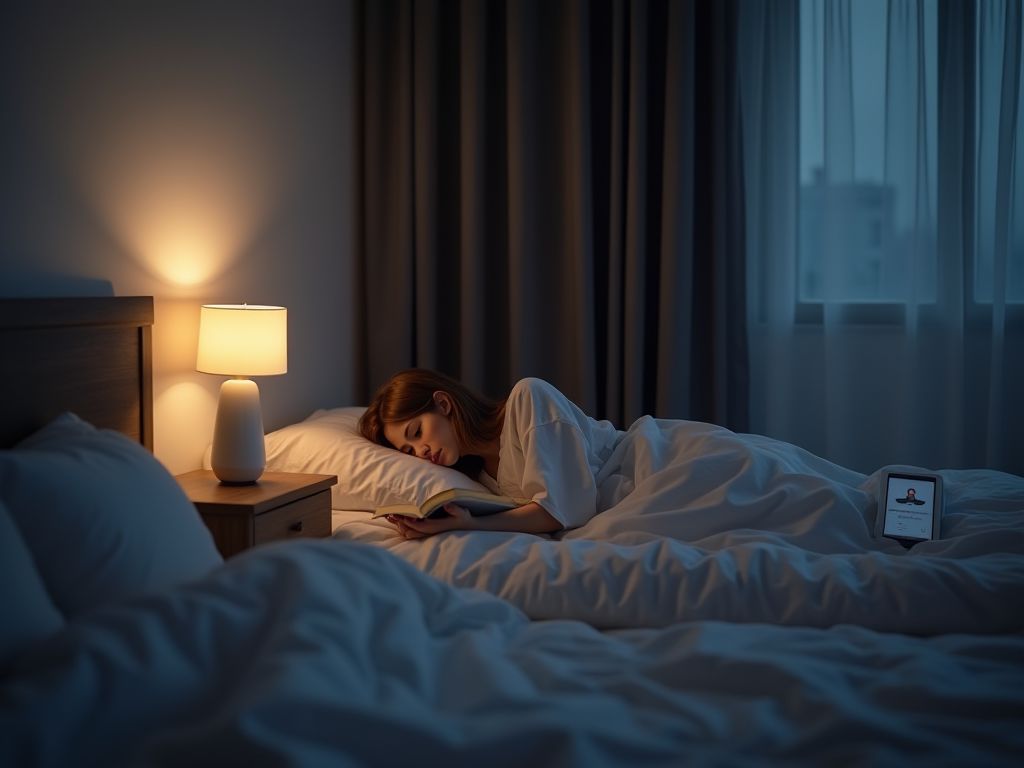
Unlocking Better Sleep: The Science of Sleep Hygiene and Lifestyle Changes
Struggling to fall asleep or wake up feeling refreshed? You're not alone. Poor sleep hygiene and unhealthy lifestyle habits affect over 30% of adults globally, according to the World Sleep Society. But the good news? Simple, science-backed changes can transform your sleep quality. In this article, we’ll explore 10 essential sleep hygiene practices paired with lifestyle adjustments that can help you reclaim restful nights and energized days.
1. Establish a Consistent Sleep Schedule
Going to bed and waking up at the same time daily—even on weekends—helps regulate your body’s internal clock (circadian rhythm). Research from the National Institutes of Health shows that irregular sleep schedules disrupt melatonin production, making it harder to fall asleep. Aim for 7–9 hours of sleep per night, and avoid long naps (more than 30 minutes) to prevent sleep inertia.
2. Optimize Your Sleep Environment
Your bedroom should be a sanctuary for sleep. Keep the room cool (around 65°F or 18°C), dark, and quiet. Invest in a comfortable mattress and pillows, and use blackout curtains or a white noise machine if needed. Avoid screens (phones, TVs) in the bedroom, as blue light suppresses melatonin and delays sleep onset.
3. Limit Caffeine and Alcohol
Caffeine’s stimulating effects can last up to 6 hours, so avoid it after noon. Alcohol may make you feel drowsy initially but disrupts sleep cycles, leading to fragmented rest. Instead, try herbal teas like chamomile or valerian root, which have mild sedative properties.
4. Avoid Screens Before Bed
The blue light emitted by phones, tablets, and computers suppresses melatonin production, making it harder to fall asleep. Create a “digital curfew” 1 hour before bed, and use apps like “Night Shift” or blue light filters to reduce exposure. Replace screen time with relaxing activities like reading or meditation.
5. Prioritize Physical Activity
Regular exercise improves sleep quality by reducing stress and promoting deeper sleep. Aim for at least 30 minutes of moderate activity most days, but avoid vigorous workouts 2–3 hours before bedtime. Activities like yoga or walking in nature are particularly effective for calming the nervous system.
6. Manage Stress and Anxiety
Chronic stress and anxiety are major sleep disruptors. Techniques like cognitive behavioral therapy (CBT), mindfulness meditation, or journaling can reduce racing thoughts before bed. Studies show that even 10 minutes of guided breathing can lower cortisol levels and improve sleep efficiency.
7. Watch Your Diet and Meal Timing
Heavy meals or spicy foods close to bedtime can cause discomfort and disrupt sleep. Instead, eat a light, protein-rich snack (like Greek yogurt or almonds) 1–2 hours before bed to avoid hunger-induced wakefulness. Avoid processed foods high in sugar, which can cause blood sugar spikes and crashes.
8. Develop a Relaxing Pre-Sleep Routine
Consistent pre-sleep rituals signal to your body that it’s time to wind down. Try taking a warm bath, practicing progressive muscle relaxation, or listening to calming music. Avoid stimulating activities like work or intense conversations 1 hour before bed.
9. Address Underlying Health Issues
Conditions like sleep apnea, restless leg syndrome, or chronic pain can sabotage sleep. If you consistently struggle with insomnia or daytime fatigue, consult a healthcare provider. Treatments like CPAP machines, medication, or therapy can make a significant difference.
10. Consider Light Exposure Timing
Natural light exposure during the day helps regulate your circadian rhythm. Spend at least 15 minutes outdoors daily, especially in the morning. Conversely, avoid bright lights (including sunlight) in the evening, as they can delay sleep onset. Light therapy lamps can also be useful for people with seasonal affective disorder.
Frequently Asked Questions
- Can napping help with sleep deprivation? Yes, but limit naps to 20–30 minutes and avoid them after 3 PM to prevent interference with nighttime sleep.
- Is it okay to drink alcohol before bed? No. Alcohol disrupts REM sleep and can lead to fragmented rest, even if you feel drowsy initially.
- How does exercise affect sleep? Regular physical activity improves sleep quality, but intense workouts close to bedtime may increase alertness due to adrenaline release.
- Can diet alone fix sleep issues? While diet plays a role, it’s most effective when combined with other sleep hygiene practices like consistent schedules and stress management.
Conclusion: Small Changes, Big Impact
Improving sleep hygiene and adopting healthy lifestyle habits don’t require drastic overhauls—they’re about consistency and small, intentional choices. By aligning your routines with your body’s natural rhythms, you’ll not only sleep better but also boost your mood, cognitive function, and overall health. Remember, rest is not a luxury—it’s a cornerstone of well-being. Start with one change today, and watch your nights transform.
Scientific References & Medical Evidence
- "Sleep physiology, pathophysiology, and sleep hygiene." (2023) View study on PubMed.gov →
- "Sleep and periodontal health." (2024) View study on PubMed.gov →
CureCurious verifies facts through peer-reviewed research.
You might also like


Recommended for your journey
We've handpicked this top-rated health tool to help you achieve the results discussed in this article.
Check Price on Amazon*As an Amazon Associate, CureCurious.com earns from qualifying purchases. This helps us keep our research free for everyone.

Written by Marcus Thorne
Sleep Hygiene Specialist
"Marcus helps people overcome insomnia and optimize their circadian rhythms. He believes that deep sleep is the foundation of all health."