Anti-Inflammatory Diet: Lifestyle Changes
Published on December 16, 2025
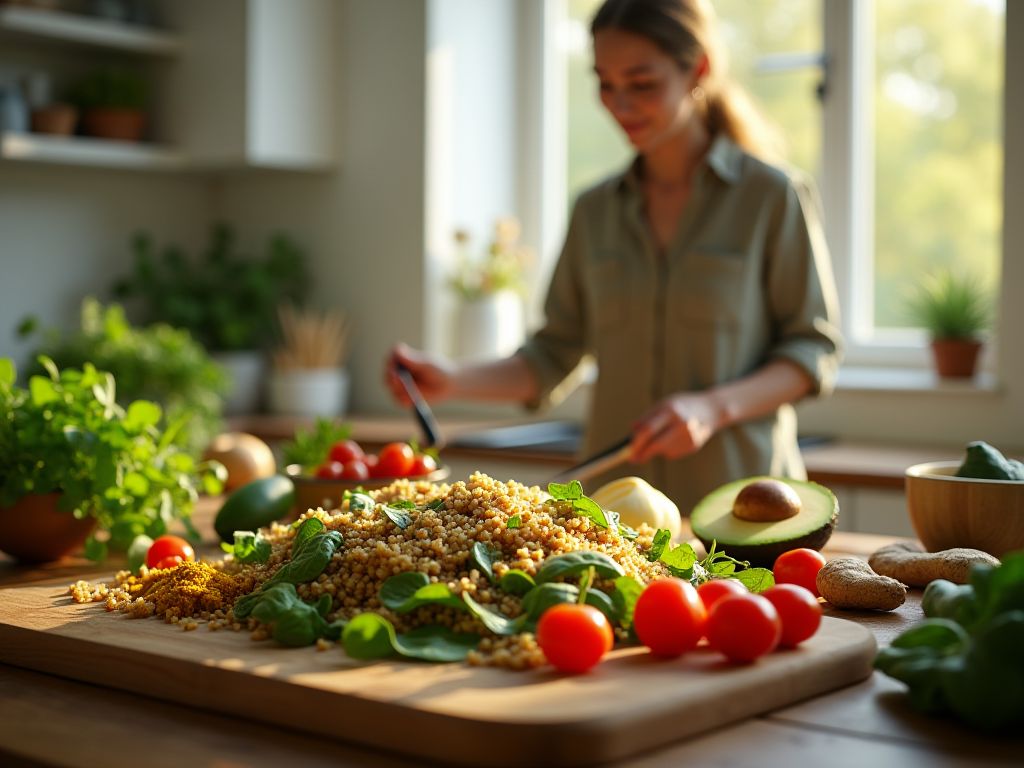
Unlocking Health: The Power of an Anti-Inflammatory Diet and Lifestyle Changes
Chronic inflammation is a silent but pervasive threat to health, linked to conditions like heart disease, diabetes, and autoimmune disorders. While medical interventions play a role, lifestyle changes—particularly adopting an anti-inflammatory diet—can be transformative. This article explores how shifting your diet and daily habits can reduce inflammation, boost longevity, and enhance overall well-being. Let’s dive into the science-backed strategies that make this lifestyle change not just possible, but powerful.
1. Embrace Whole, Unprocessed Foods
The foundation of an anti-inflammatory diet lies in whole, minimally processed foods. These include fruits, vegetables, whole grains, legumes, nuts, and seeds. Processed foods, on the other hand, often contain refined sugars, trans fats, and additives that trigger inflammation. Studies show that diets rich in plant-based foods reduce markers of inflammation like C-reactive protein (CRP).
2. Prioritize Omega-3 Fatty Acids
Omega-3s, found in fatty fish (salmon, mackerel), flaxseeds, and walnuts, are potent anti-inflammatory agents. They modulate immune responses and reduce the production of pro-inflammatory molecules. Aim to include at least two servings of fatty fish per week or consider a high-quality supplement if needed.
3. Increase Antioxidant-Rich Foods
Antioxidants combat oxidative stress, a key driver of inflammation. Berries, dark leafy greens, and colorful vegetables like sweet potatoes and bell peppers are rich in these compounds. For example, anthocyanins in blueberries have been shown to lower inflammatory cytokines.
4. Reduce Refined Carbohydrates and Sugars
Excess sugar and refined carbs spike insulin levels and promote inflammation. Replace white bread, pastries, and sugary drinks with whole grains like quinoa and brown rice. This shift stabilizes blood sugar and reduces the risk of metabolic inflammation.
5. Incorporate Spices with Anti-Inflammatory Properties
Spices like turmeric (curcumin), ginger, and garlic contain compounds that suppress inflammatory pathways. Turmeric, in particular, has been extensively studied for its ability to inhibit enzymes involved in inflammation. Use these spices liberally in cooking for maximum benefit.
6. Stay Hydrated with Anti-Inflammatory Beverages
Water is essential for flushing out toxins and maintaining cellular function. Green tea, rich in catechins, and tart cherry juice, high in anthocyanins, are also excellent choices. Avoid sugary drinks and excessive caffeine, which can exacerbate inflammation.
7. Cultivate Gut Health
The gut microbiome plays a critical role in inflammation. Probiotic-rich foods like yogurt, kefir, and fermented vegetables support a healthy gut lining and reduce systemic inflammation. Prebiotic foods (e.g., onions, garlic, bananas) feed beneficial gut bacteria, further enhancing anti-inflammatory effects.
8. Practice Mindful Eating and Portion Control
Overeating, even healthy foods, can lead to metabolic stress. Mindful eating—savoring each bite and eating slowly—helps regulate digestion and prevents overconsumption. Use smaller plates and avoid eating in front of screens to foster healthier habits.
9. Combine Diet with Regular Physical Activity
Exercise reduces inflammation by improving insulin sensitivity and boosting anti-inflammatory cytokines. Aim for 150 minutes of moderate activity (like walking or cycling) weekly. Strength training and yoga also support joint health and reduce chronic inflammation.
10. Prioritize Sleep and Stress Management
Chronic stress and poor sleep elevate cortisol levels, which fuel inflammation. Aim for 7–9 hours of quality sleep per night and practice stress-reduction techniques like meditation, deep breathing, or journaling. These habits create a synergistic effect with dietary changes.
Frequently Asked Questions (FAQ)
Q1: How long does it take to see results from an anti-inflammatory diet?
A: Results vary, but many people report reduced inflammation symptoms (e.g., joint pain, fatigue) within 2–4 weeks. Consistency is key for long-term benefits.
Q2: Can I follow an anti-inflammatory diet if I’m vegetarian or vegan?
A: Yes! Focus on plant-based sources of omega-3s (flaxseeds, chia seeds) and protein (lentils, tofu). Ensure adequate vitamin B12 and iron intake through fortified foods or supplements.
Q3: Are all fats bad for inflammation?
A: No. Healthy fats like olive oil, avocados, and nuts are anti-inflammatory. Avoid trans fats and limit saturated fats from processed meats and fried foods.
Q4: How do I handle cravings for processed foods?
A: Gradually replace processed snacks with whole-food alternatives (e.g., nuts instead of chips). Keep healthy options visible and plan meals ahead of time.
Q5: Is alcohol part of an anti-inflammatory lifestyle?
A: Moderate alcohol consumption (e.g., 1 glass of red wine daily) may have some benefits, but excessive drinking increases inflammation. Prioritize abstinence or minimal intake.
Conclusion: Small Changes, Big Impact
An anti-inflammatory diet isn’t about strict deprivation—it’s about nourishing your body with foods that promote healing. By integrating whole foods, reducing processed ingredients, and adopting holistic lifestyle habits, you can significantly lower inflammation and improve your quality of life. Start with one change at a time, and remember: consistency, not perfection, is the goal. Your body will thank you for every mindful choice you make.
Scientific References & Medical Evidence
- "Diet and Lifestyle Modifications for Fibromyalgia." (2024) View study on PubMed.gov →
- "The Role of Lifestyle Interventions in PCOS Management: A Systematic Review." (2025) View study on PubMed.gov →
CureCurious verifies facts through peer-reviewed research.
You might also like


Recommended for your journey
We've handpicked this top-rated health tool to help you achieve the results discussed in this article.
Check Price on Amazon*As an Amazon Associate, CureCurious.com earns from qualifying purchases. This helps us keep our research free for everyone.

Written by Dr. Sarah Mitchell
Nutrition Expert & MD
"Dr. Sarah Mitchell is a board-certified nutritionist with over 15 years of experience in clinical dietetics. She specializes in metabolic health and gut microbiome research."