
Brain Health
Mental Fatigue Explained In Modern Diets
That mid-morning coffee with a side of pastries isn’t just a comfort—it’s a countdown.
That mid-morning coffee with a side of pastries isn’t just a comfort—it’s a countdown.

Every time your body encounters a virus, toxin, or chronic stressor, it sends out a signal: “We’re under attack.” But what happens when those signals are ignored?

As a clinician, I’ve watched patients pour money into methylated B-complex supplements, only to feel worse.

Imagine standing on a scale, staring at a number that feels impossible to change.

Imagine a world where your body repairs itself without the 8-hour slumber we’ve been told is nonnegotiable.

Every day, your mitochondria—your cells’ power plants—are working overtime.

Every time you choose what to wear, what to eat, or how to respond to a coworker, you’re burning mental fuel.

Imagine this: You lace up your shoes, hit the gym, and within minutes, your motivation evaporates.

Imagine this: you’re taking a multivitamin, eating “healthy fats” like avocado and olive oil, and yet you still feel sluggish, foggy, or prone to anxiety.

Joint pain after a workout doesn’t always mean a torn ligament or a sprained knee.

Immune overreactions are often dismissed as mere nuisances—rashes, fatigue, or unexplained fevers.

Imagine taking a multivitamin every morning, yet feeling foggy by midday.

Contrary to the narrative that aging erodes mental sharpness, research reveals a surprising twist: the brain’s shift in focus capacity may unlock new cognitive pathways.

There’s a quiet rebellion happening in your body.

At 55, your heart isn’t just aging—it’s crying out for help.
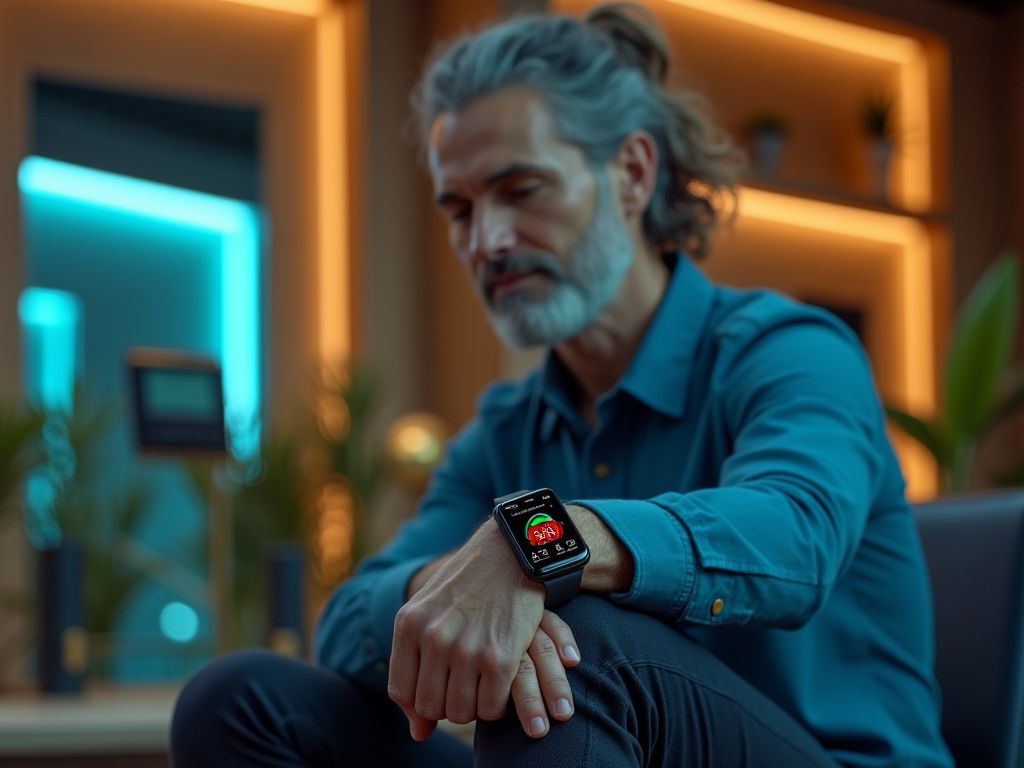
Imagine waking up at 50, feeling the same strength you had in your 30s.

Imagine your metabolism as a symphony, constantly adjusting its tempo based on the notes you play.

Many athletes believe pushing through exhaustion is a badge of honor.

After childbirth, the body undergoes a hormonal rollercoaster that can leave even the most resilient women vulnerable.

Ever notice how your gains stall after a few weeks of grueling workouts?
Hi! At CureCurious, we invest a lot in research to bring you the best health insights. Please consider disabling AdBlock to support our work.